

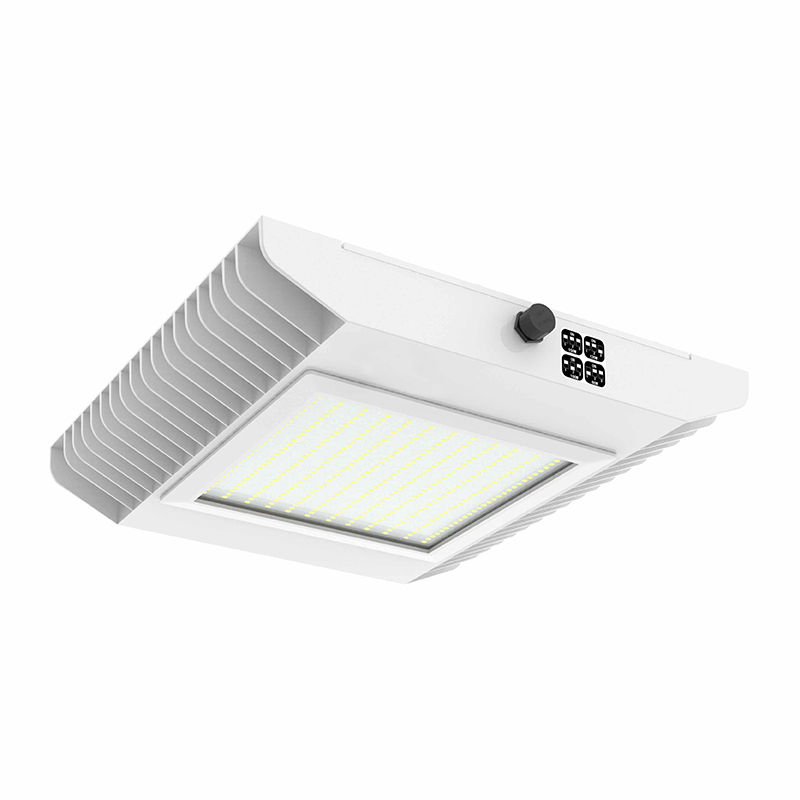
About LED Gas Station Lights
Why Upgrade Your Gas Station Lights to LED?
Outdated metal halide and high-pressure sodium fixtures waste energy, require frequent relamping, and produce uneven light that can make a fueling area feel dim or uninviting. Upgrading to LED gas station lights cuts energy consumption by up to 75%, delivers instant-on brightness with no warm-up time, and provides uniform illumination across the entire canopy. With rated lifespans of 70,000 hours and IP65-rated weatherproof construction, LED canopy lights dramatically reduce maintenance costs while improving visibility, safety, and curb appeal. It helps station owners attract more drivers and deter criminal activity after dark.
Surface Mount vs. Recessed Gas Station Lights
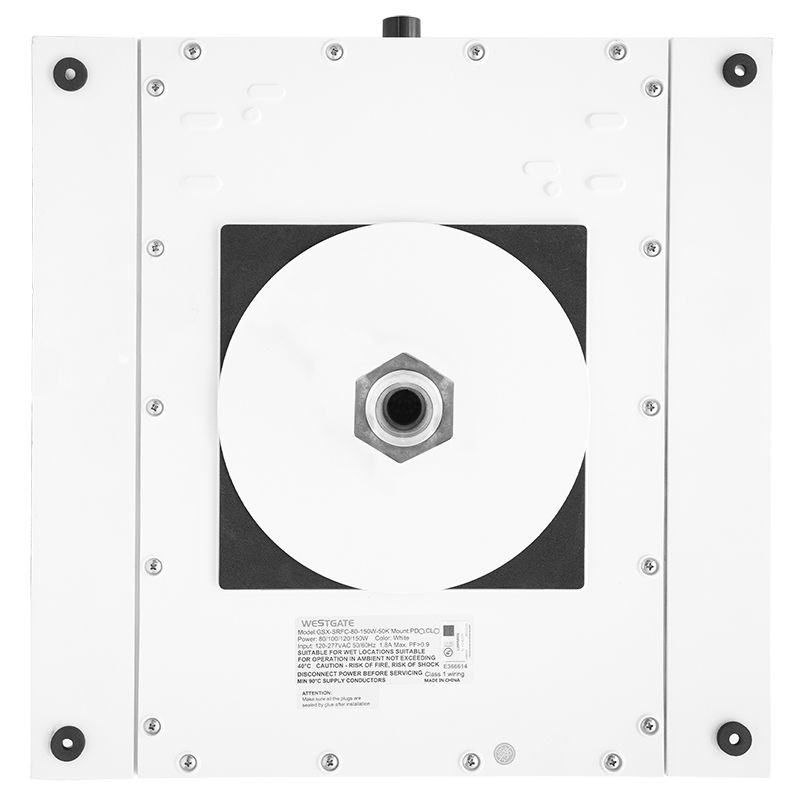
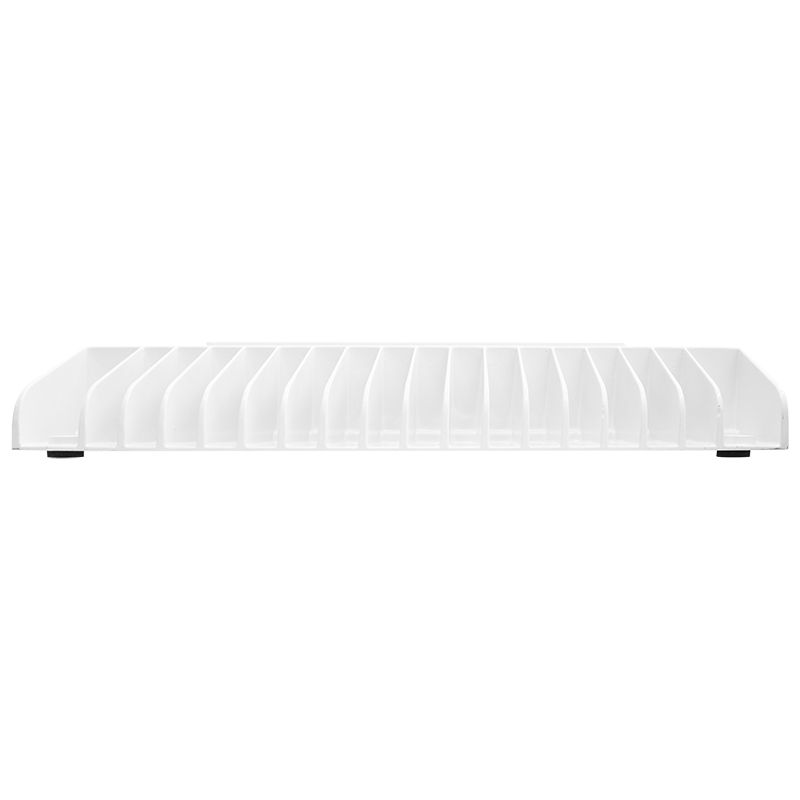
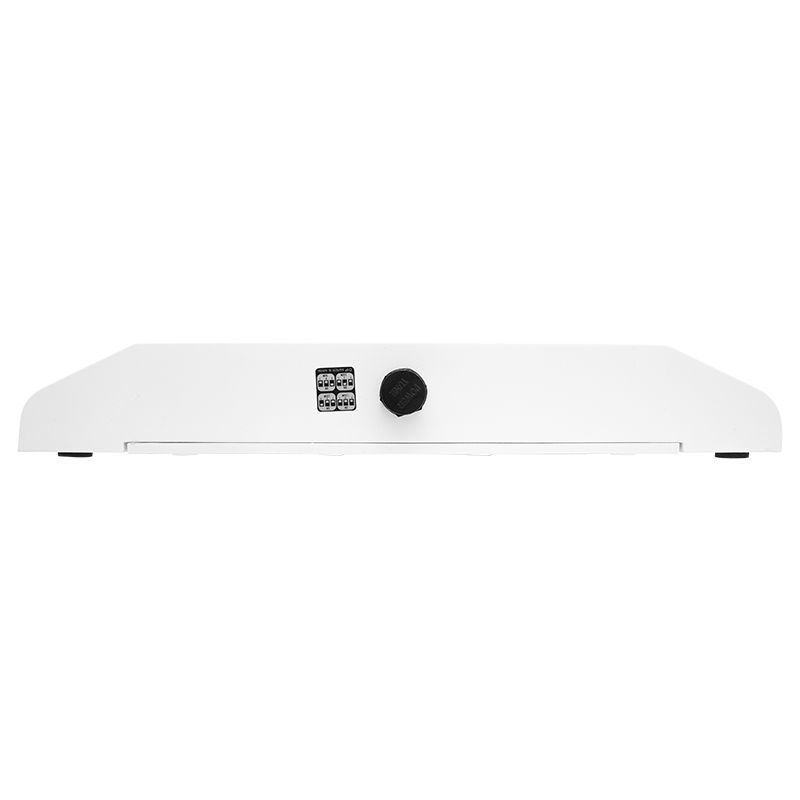
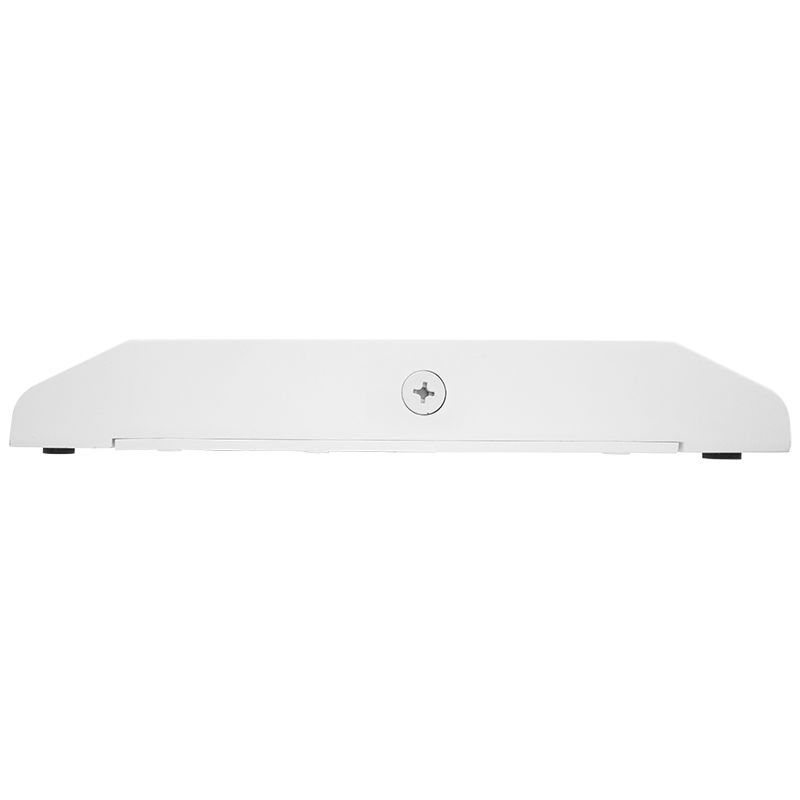
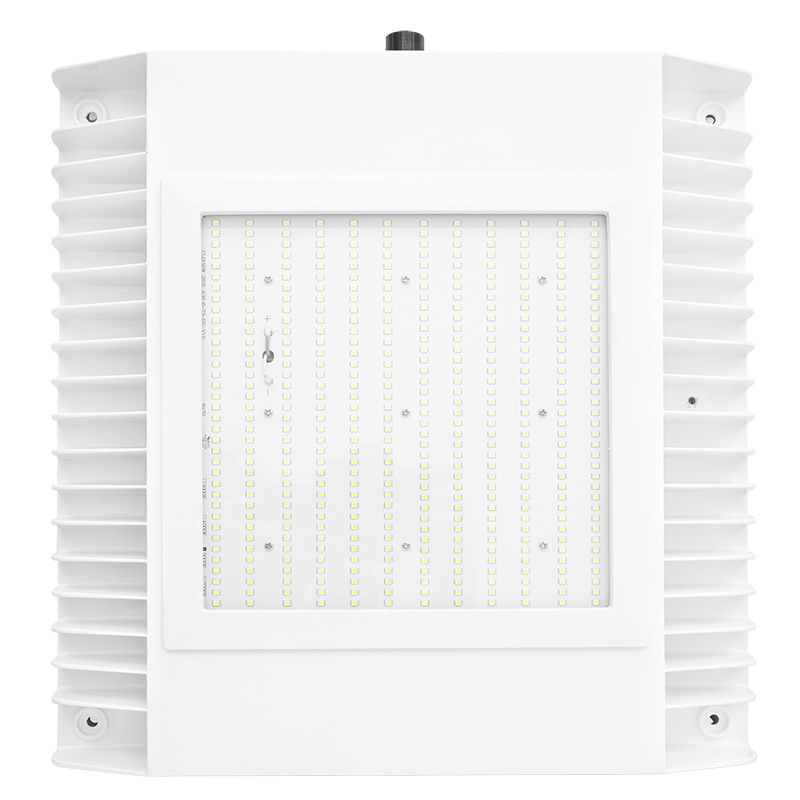
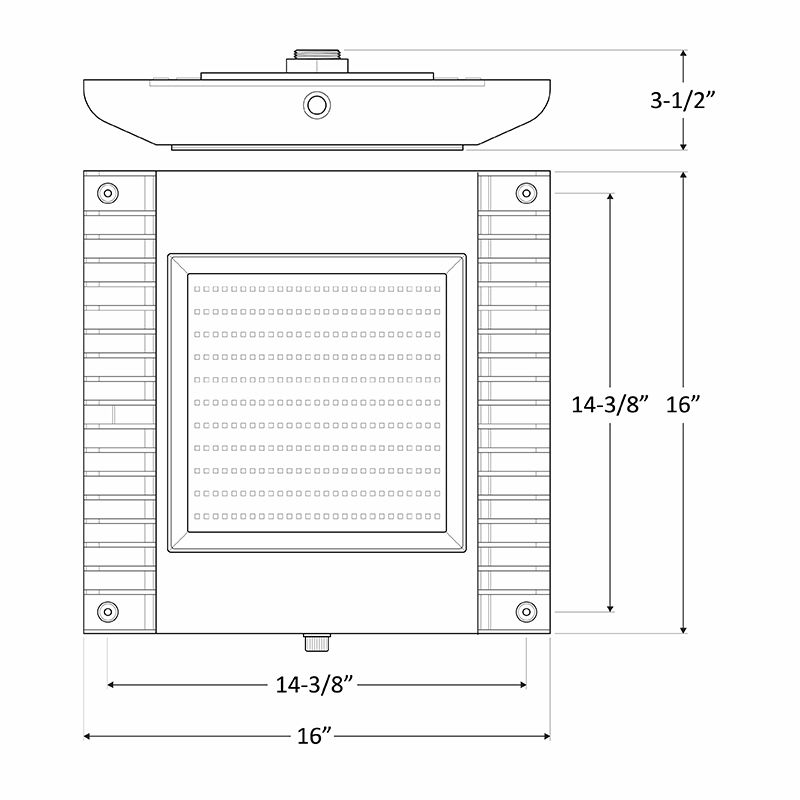
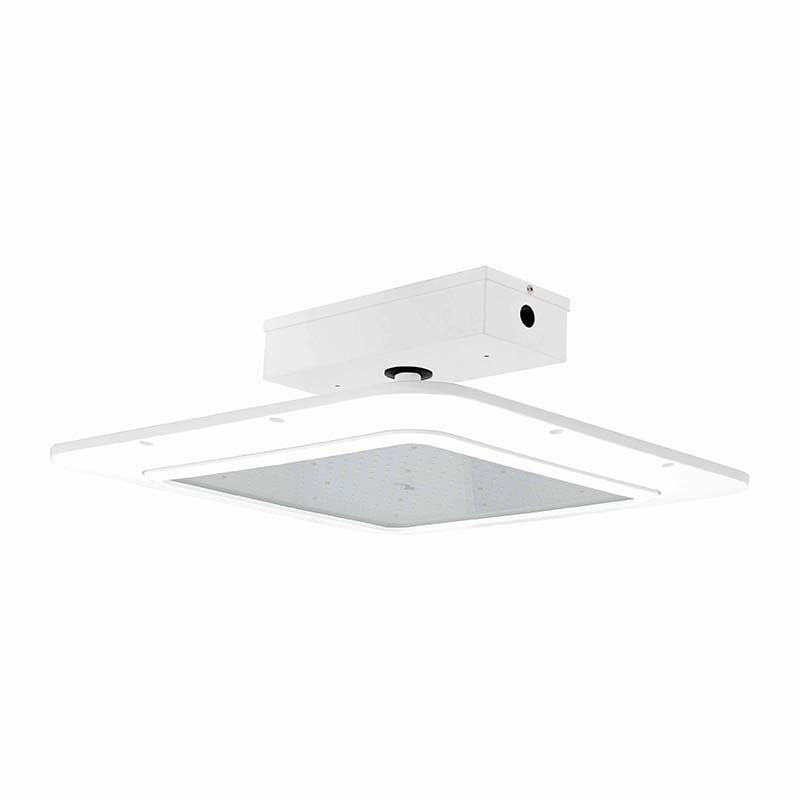
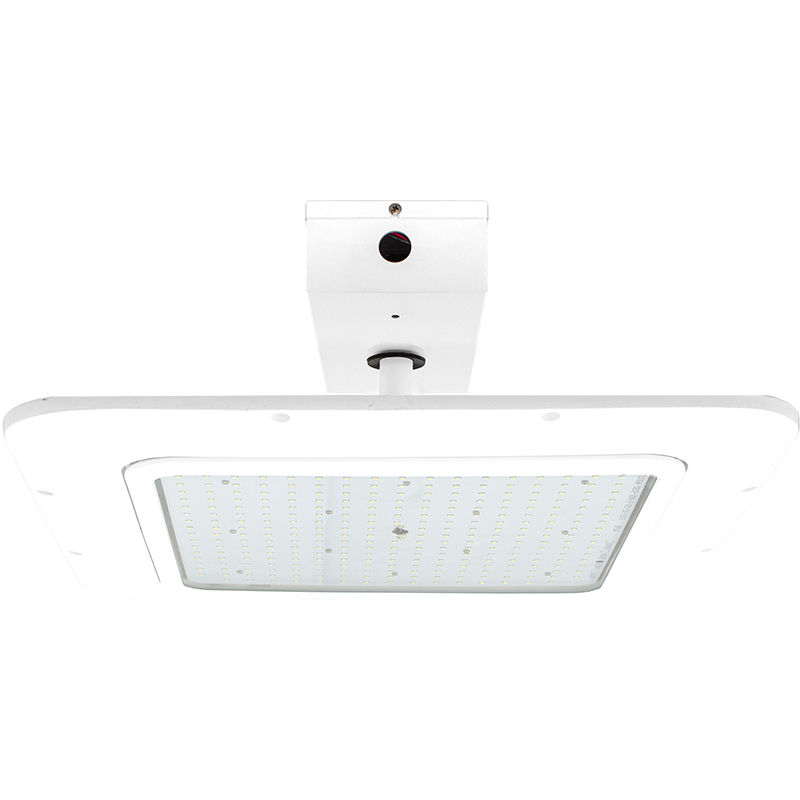
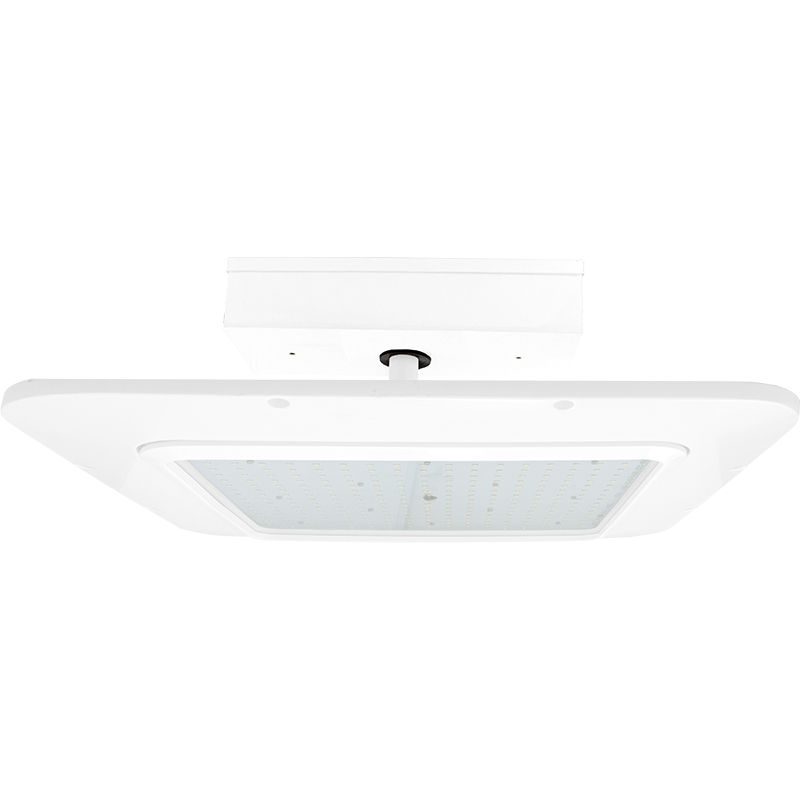
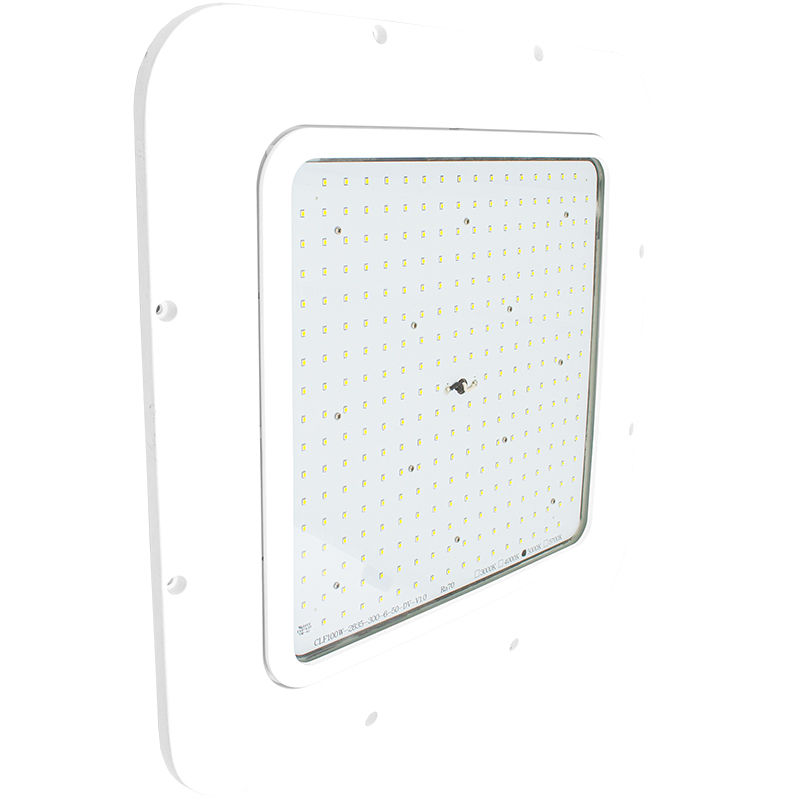
Choosing the right mounting style depends on your canopy structure and project scope. Surface mount gas station lights attach directly to the canopy ceiling, making them the go-to option for retrofits where minimal structural modification is preferred. They're fast to install, easy to maintain, and work with standard junction boxes. Recessed gas station lights sit flush within the canopy for a sleek, low-profile appearance that's common in new construction and brand-forward station designs. While recessed fixtures require pre-cut openings and slightly more involved installation, they deliver a clean aesthetic that keeps the canopy looking modern and uncluttered.
What to Look for in Commercial Canopy Lighting
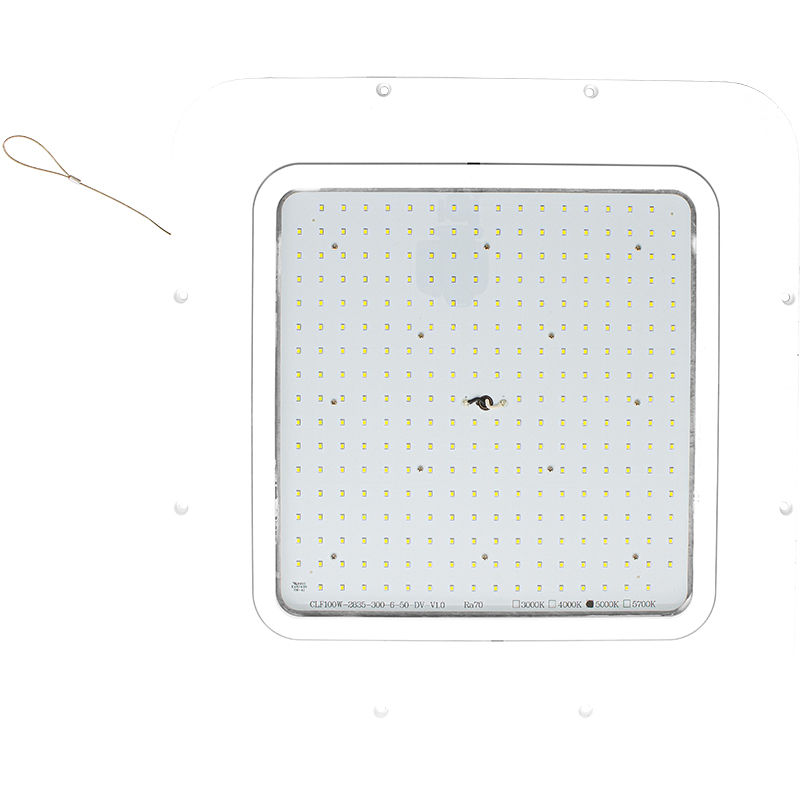
When selecting LED gas station canopy lights, prioritize wattage that matches your mounting height, typically 100W to 200W for standard canopy installations between 12 and 20 feet. A color temperature of 5000K provides crisp daylight-quality illumination that enhances visibility at the pump and improves security camera performance. Look for fixtures with high lumen output, a wide beam angle for even coverage, and a minimum IP65 rating for dust and water resistance. Features like selectable wattage, 0-10V dimming, and optional motion sensors add flexibility and further reduce long-term operating costs.
Beyond the canopy, a fueling site still needs light at the parking surfaces, perimeter walls, and building entries. Westgate's wider range of commercial outdoor lighting covers those areas with fixtures that match on optics and housing finish.